Trump Opens the Door for H200: A Compromise in the Chip War
Nvidia is Back in the Game
The decision by the Donald Trump administration to conditionally allow the advanced Nvidia H200 chips into the Chinese market constitutes one phase of the US-China tech war. This marks a return to a "controlled access" model the United States allows companies to profit from a second-tier generation of chips while maintaining a strict export ban on the latest architectures (Blackwell, Rubin).
Key Conditions and US Motivations
The new regulation is transactional in nature and driven by two main reasons:
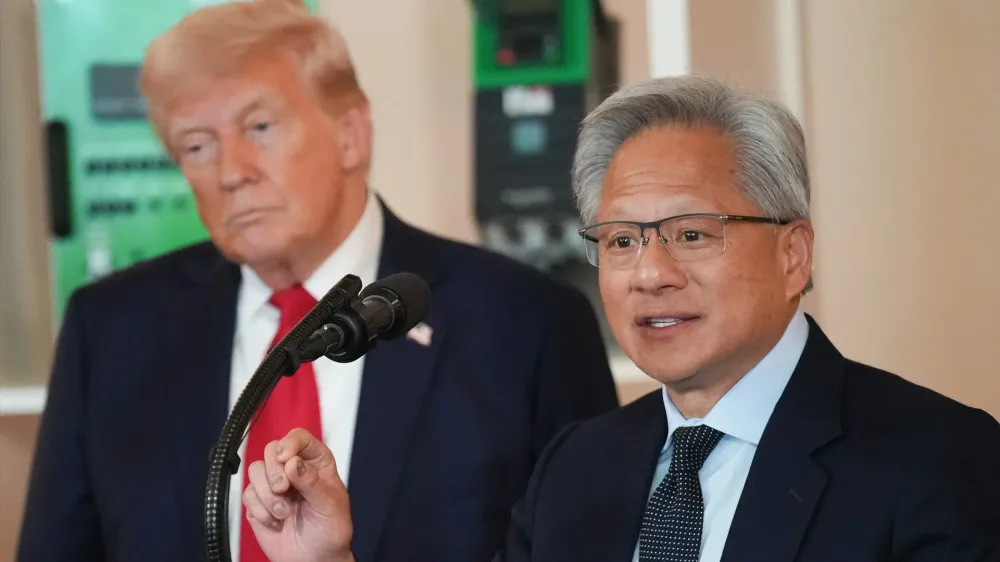
1. Economics and Nvidia Lobbying: Intensive lobbying by Nvidia, especially CEO Jensen Huang convinced the White House that a complete blockade of China would lead to the loss of a multi-billion dollar market and accelerate the development of local Chinese rivals. The sale of the H200 aims to stabilize Nvidia's market share and slow the outflow of clients to domestic suppliers.
2. Rents for the USA: The decision introduces an unprecedented mechanism: the US federal government will receive 25% of the revenue from every H200 transaction with approved Chinese customers. This aligns with Trump's "deal-making" philosophy, applying a taxed, controlled export instead of a full ban.
Why the H200? Protecting the Edge
The H200 is one generation older than the fastest Blackwell. For the US, this represents a safe compromise: - It allows Nvidia to conduct serious business- It formally maintains America's technological edge in the absolute, cutting-edge segments of chips.Despite this, the decisions has drawn criticism in Congress, where some politicians fear that the H200 could still power advanced AI models used by Chinese military or surveillance programs.
China's Reaction and Long-Term Direction
Although major market players in China express interest in purchasing the H200, Beijing's stance remains cool. Chinese authorities consistently promote self-sufficiency and are strengthening support for domestic AI processors.
Conclusion:
The licensed export of the H200 is merely a temporary de-escalation of tensions. It may slow down but will not halt Beijing's long-term course toward reducing dependence of American technology. The success of this compromise hinges on the scale of approved orders and whether the US Congress of Beijing's policy decisions ultimately limit the extent of the sales.