What Happened With HashiChain (SN115)?
On February 25, 2026, a single wallet staked roughly 12,000 TAO into Bittensor Subnet 115. That one transaction, worth approximately $2 million at the time, sent the price of the HashiChain alpha token surging by more than 1,000% within hours. It became one of the largest single-day moves in the history of dTAO and triggered a wave of reactions across the Bittensor community.
What Is HashiChain?
HashiChain operates as Subnet 115 on the Bittensor network. The project positions itself as a Layer 1 blockchain designed specifically for AIagents. In simple terms, it aims to create infrastructure where autonomous AI programs can interact, transact, and collaborate without human intervention.
At the time of writing, there is no public demo, working testnet, or independent audit available. The project's technical claims are based primarily on its basic GitHub repository and whitepaper materials, and have not yet been validated by external parties.
What Happened With HashiChain on February 25?
A single wallet executed a massive stake of approximately 12,000 TAO into Subnet 115 in one transaction. At the time, that amount was worth around $2 million. On-chain analysts quickly documented the transaction on X, flagging it as one of the largest single entries into any dTAOsubnet to date. The transaction details can be verified through Bittensor block explorers such as taostats.io.
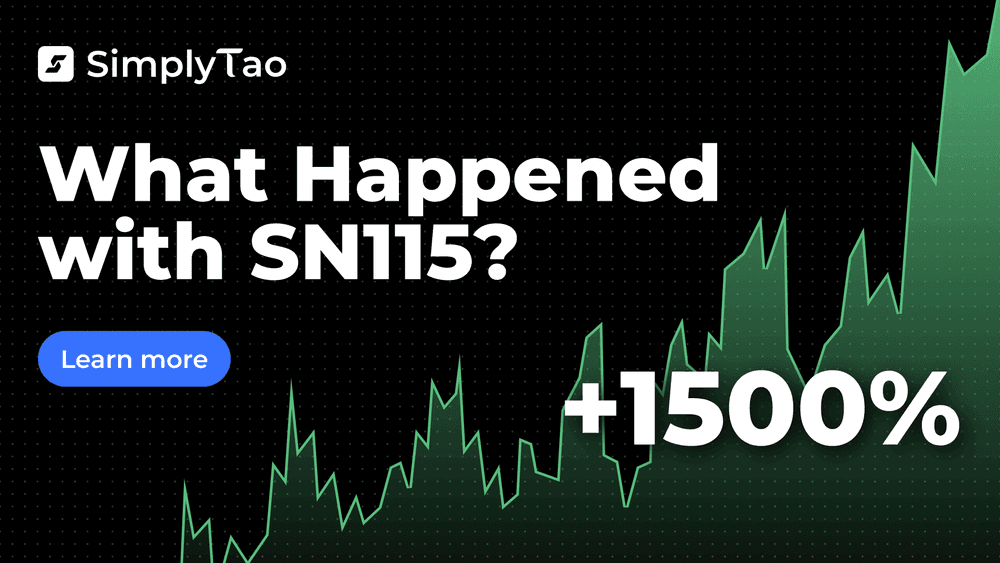
The effect was immediate and dramatic. Because HashiChain had very low liquidity at the time, the buy caused an estimated 300% slippage. The alpha token price jumped from extremely low levels to roughly 0.10-0.12 τ, representing a five- to six-fold increase in just a few hours. Over the course of the day, the total price movement exceeded 1,000%.
Subnet tracking dashboards showed SN115 near the top of the 24-hour volume leaderboard, with a price change exceeding 13,000%. While the single whale transaction alone represented roughly $2 million in value, the actual trading volume on the subnet remained modest by broader market standards. In the context of Bittensor's subnet ecosystem, however, that level of activity stood out significantly. HashiChain briefly climbed into the top subnets by emission share, capturing roughly 11-12% of all Bittensor emissions.
How Did the Bittensor Community React to HashiChain?
The reaction on Twitter was swift and split into two clear camps.
On one side, several tracking accounts highlighted HashiChain as the top gainer of the day, with posts showing gains of over 1,200%. Subnet monitoring tools and community dashboards listed SN115 at or near the top of their daily leaderboards. One on-chain analyst known in the Bittensor community published a detailed breakdown of the wallet's transaction history. The analysis revealed that the wallet had liquidated previous holdings before making the concentrated move into HashiChain.
On the other side, experienced community members raised concerns. Multiple posts warned about the lack of transparency around the project and flagged the event as a potentialmanipulationscenario. The warnings described HashiChain as carrying "total opacity" and "extreme risk of manipulation," with one post calling it "likely a manipulation trap."
The HashiChain situation highlights a core characteristic of Bittensor'sDynamicTAOsystem. Under dTAO, each subnet operates its own automated market maker with a TAO/alpha token pair. When someone stakes TAO into a subnet, the alpha token price rises based on the ratio of TAO to alpha in the subnet's reserve pool. When they unstake, it falls.
The situation is changing rapidly, so when we know more, you will find out about it on SimplyTao.